
Building Strong Eyes Through Diet
Your vision is one of your most precious assets. Divinotd explores the science of nutrition and how specific foods can support healthy eyesight. Discover evidence-based information about nutrients, dietary strategies, and lifestyle habits that contribute to long-term vision wellness.
Whether you're concerned about age-related changes, digital eye strain, or simply want to maintain optimal eye health, our editorial team provides practical, research-backed guidance to help you make informed dietary choices.

The information on this site is for educational purposes only and does not constitute medical advice. Always consult a qualified healthcare professional before making health decisions.
Why Nutrition Matters for Your Vision
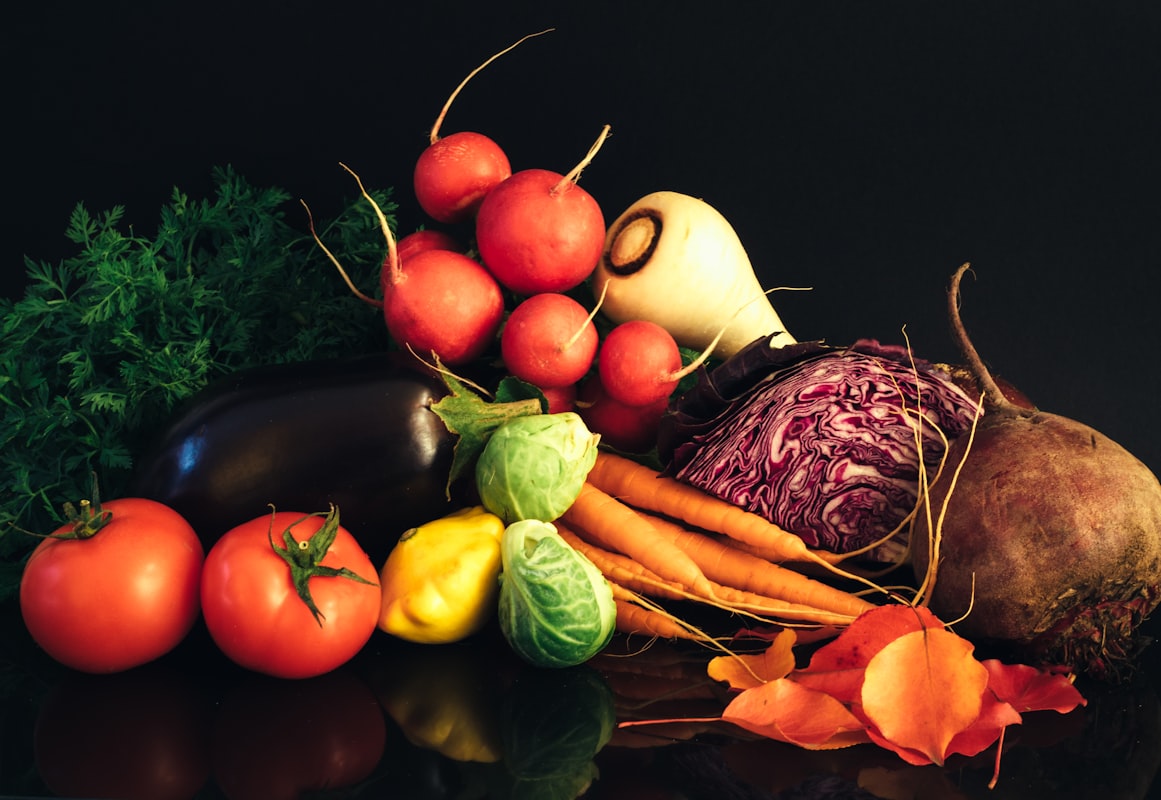
Your eyes contain delicate tissues that require specific nutrients to function optimally. Lutein, zeaxanthin, zinc, omega-3 fatty acids, and vitamins A, C, and E play crucial roles in protecting the retina and supporting visual clarity. Research consistently shows that a nutrient-rich diet can help maintain eye health across your lifespan.
Environmental factors like screen time, UV exposure, and oxidative stress challenge our eyes daily. A targeted dietary approach provides powerful antioxidant and anti-inflammatory support from within, helping your eyes resist these daily challenges and maintain their natural resilience.
- Antioxidant Protection: Combat free radical damage with foods rich in vitamins and polyphenols
- Retinal Support: Carotenoids and macular pigments protect light-sensitive tissues
- Inflammation Balance: Omega-3s and other anti-inflammatory compounds support tissue health
Essential Nutrients for Stronger Eyes
Discover the key compounds that support vision wellness and where to find them in whole foods
Lutein & Zeaxanthin
These yellow-orange carotenoids accumulate in the macula and help filter harmful blue light while protecting against oxidative stress.
Find them in: Leafy greens (spinach, kale), broccoli, Brussels sprouts, corn, egg yolks, and orange-yellow vegetables
Omega-3 Fatty Acids
DHA and EPA are structural components of the retina and help maintain visual function while reducing inflammation in eye tissues.
Find them in: Fatty fish (salmon, mackerel, sardines), flaxseeds, walnuts, chia seeds, and seaweed
Vitamin A
Essential for producing rhodopsin, the pigment that enables vision in low light. Crucial for maintaining healthy corneas and retinal function.
Find them in: Sweet potatoes, carrots, spinach, kale, liver, and colorful fruits like apricots and cantaloupe
Vitamin C
A powerful antioxidant that concentrates in the retina and supports collagen formation in the cornea and sclera.
Find them in: Citrus fruits, berries, kiwi, bell peppers, broccoli, and strawberries
Vitamin E
Works synergistically with other antioxidants to protect cell membranes in the eye from oxidative damage.
Find them in: Nuts, seeds, vegetable oils, whole grains, spinach, and avocados
Zinc
Facilitates the absorption of vitamin A and supports retinal enzyme function. Essential for maintaining proper vision, especially night vision.
Find them in: Oysters, beef, pumpkin seeds, cashews, chickpeas, and whole grains
Your Journey to Stronger Eyes
A practical roadmap to incorporating eye-supporting nutrients into your daily routine
Assess Your Current Diet
Start by evaluating your eating habits. Identify which eye-supporting nutrients are already present in your meals and where there are gaps. Keep a simple food diary for 3-5 days to understand your baseline intake of leafy greens, fatty fish, colorful vegetables, nuts, and seeds.
This foundation helps you make targeted, realistic changes rather than overhauling everything at once.
Build Simple Dietary Habits
Integrate nutrient-rich foods gradually. Begin with one or two easy additions per week: add spinach to smoothies, swap white rice for quinoa, include a handful of almonds as a snack, or prepare salmon twice weekly. Small, consistent changes are more sustainable than dramatic dietary shifts.
Focus on whole foods rather than isolated supplements to benefit from nutrient synergies and fiber content.
Optimize Your Lifestyle Alongside Diet
Diet is most effective when combined with other protective habits. Manage digital screen time with the 20-20-20 rule (every 20 minutes, look at something 20 feet away for 20 seconds), protect your eyes from UV exposure with sunglasses, maintain good hydration, and prioritize adequate sleep for eye tissue repair.
These complementary strategies amplify the benefits of your nutritional choices.
Track Progress & Adjust
After 8-12 weeks of consistent dietary improvements, observe how you feel. Many people report improved focus, reduced eye strain, and sharper visual clarity. Adjust portions and food choices based on your preferences and how your body responds. Consistency matters more than perfection.
Keep notes on energy levels, visual comfort, and overall wellbeing to identify which nutrients seem most beneficial for you.
Eye-Friendly Foods to Enjoy
Delicious, nutrient-dense foods that support your vision

Spinach
Packed with lutein, zeaxanthin, vitamin A, and vitamin C. Raw or cooked, spinach is one of the most nutrient-dense choices for eye health.
Serving tip: Add to salads, smoothies, soups, or lightly sauté with garlic

Salmon
Rich in omega-3 fatty acids, DHA, and EPA. These essential fats support retinal structure and reduce eye inflammation effectively.
Serving tip: Bake, grill, or poach 2-3 times weekly for optimal benefits

Blueberries
Packed with anthocyanins and vitamin C. These antioxidants protect against oxidative stress and support visual acuity.
Serving tip: Enjoy fresh, frozen, or in smoothies; portion about one cup daily
Kale
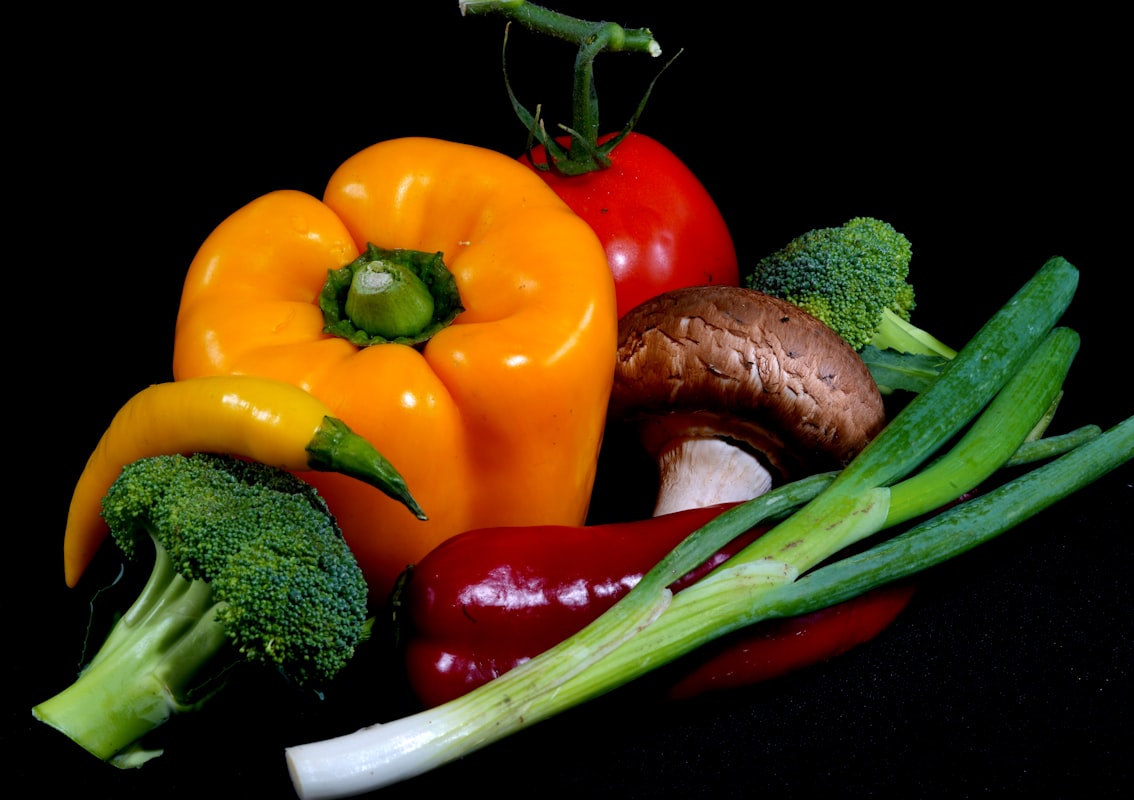
An elite green vegetable with exceptional levels of lutein, zeaxanthin, and numerous other protective compounds.
Serving tip: Massage with oil for salads, bake as chips, or blend into smoothies
Almonds
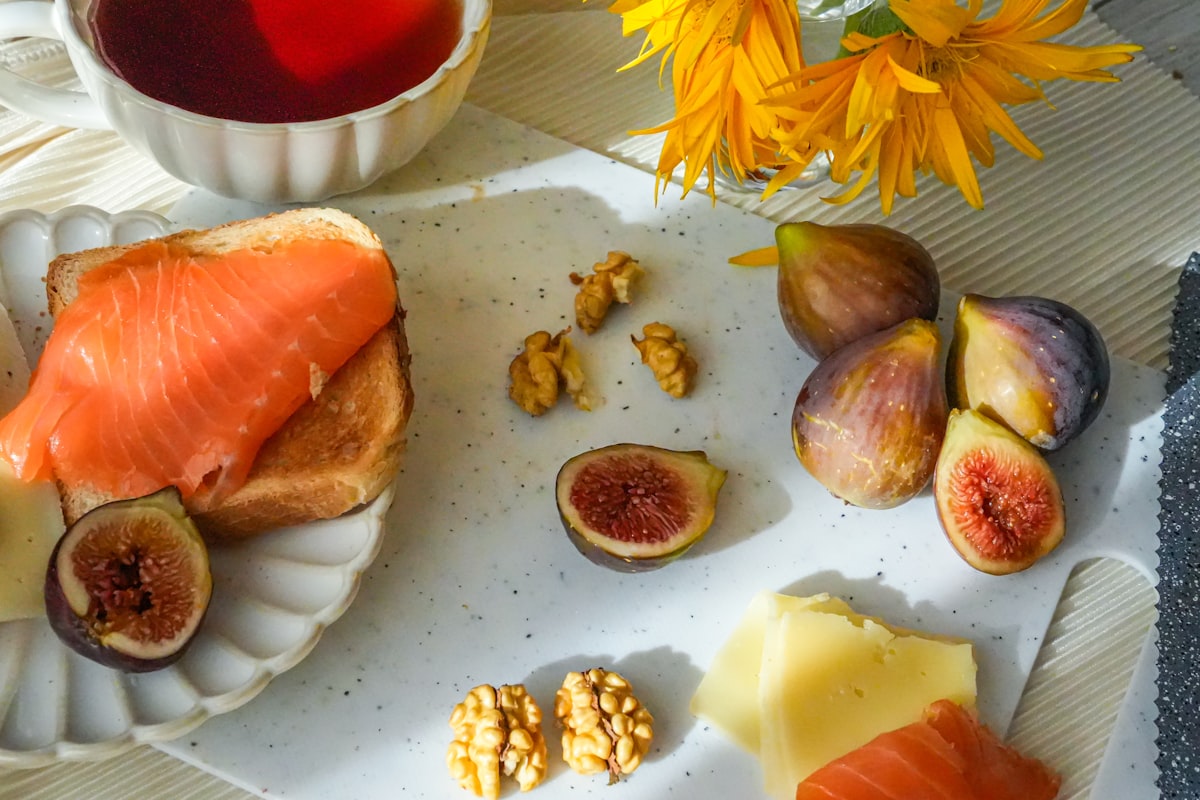
Excellent source of vitamin E, zinc, and magnesium. Support retinal health and reduce inflammation with a convenient snack.
Serving tip: Enjoy a small handful (23 almonds) as a daily snack

Carrots
High in beta-carotene, which your body converts to vitamin A. Essential for night vision and overall retinal function.
Serving tip: Eat raw with hummus, roast, or blend into soups for better absorption
Learn More About Eye Health Nutrition
Explore our comprehensive articles, research summaries, and practical guides to optimize your vision through evidence-based nutrition
What Our Readers Say
Discover how eye-supporting nutrition has made a difference in our audience's lives
"After implementing the dietary changes suggested in Divinotd's articles, I found the dietary information on this site to be a helpful resource for my daily routine. The explanation of lutein and zeaxanthin changed how I approach my grocery shopping. My eyes feel less strained after long workdays, and I have more sustained focus throughout the day."
Sarah Wijaya
Jakarta, Indonesia
"As someone working in graphic design with constant screen exposure, I was concerned about my vision. Divinotd's research-backed articles on omega-3 foods and the 20-20-20 rule have become my daily reference. I incorporated more salmon and leafy greens, and my eye strain has reduced noticeably. The science is clearly explained and practical."
Rudi Hermanto
Bandung, Indonesia
"I shared Divinotd's articles with my elderly parents who were worried about their vision. The step-by-step guidance helped them make dietary changes without feeling overwhelmed. My mother particularly appreciated learning which foods contain specific nutrients. The content is detailed yet accessible, and we all benefit from the practical advice."
Dewi Kusuma
Surabaya, Indonesia
"As a nutritionist, I appreciate how Divinotd presents evidence-based information about eye health and diet. The articles are well-researched, cite credible sources, and avoid making unrealistic promises. I confidently recommend their content to clients interested in optimizing their vision through nutrition. Excellent resource for both professionals and general readers."
Indra Suhendra
Medan, Indonesia
Common Questions About Eye Health and Diet
Find answers to questions our readers frequently ask
How long does it take to see improvements in vision?
Most people report noticeable improvements in visual comfort and clarity within 4-8 weeks of consistent dietary changes. However, structural improvements in the retina may take 3-6 months. Individual results vary based on baseline nutrition, overall lifestyle, and genetic factors. Consistency matters more than expecting immediate results.
Can diet alone improve my vision without supplements?
Yes. Whole foods contain nutrient complexes that are often more effective than isolated supplements because of nutrient synergies and fiber content. A well-planned diet rich in vegetables, fish, nuts, and seeds provides adequate amounts of most eye-supporting nutrients. Supplements may be helpful if dietary intake is insufficient, but food should be the foundation.
Are these nutrients beneficial for all ages?
Yes. While the specific concerns may differ (children need good nutrition for normal development, older adults need protection against age-related changes), all age groups benefit from adequate intake of eye-supporting nutrients. Even young people with high screen exposure benefit from antioxidant-rich foods and omega-3s.
What if I don't like eating the recommended foods?
Start with foods you already enjoy that contain beneficial nutrients. For example, if you don't like raw spinach, try it cooked in pasta or soup where the texture changes. Experiment with different preparations of the same ingredient. There are many ways to incorporate these nutrients—blending, roasting, or seasoning can make nutrient-dense foods more appealing.
Can dietary changes help prevent age-related vision changes?
Research suggests that maintaining optimal nutrition throughout life supports long-term eye health and may slow age-related changes. While all eyes naturally change over time, antioxidant and anti-inflammatory nutrients help maintain tissue resilience and may reduce the rate of certain age-related changes.
How does digital screen time affect eye health?
Extended screen time increases eye strain, reduces blinking, and exposes eyes to blue light. While antioxidant nutrients help protect against oxidative stress from this exposure, equally important are behavioral changes: the 20-20-20 rule (every 20 minutes, look 20 feet away for 20 seconds), proper screen distance, and adequate ambient lighting. Combine dietary improvements with these habits.
What Our Customers Say
Real results from real people who've transformed their eye health with Divinotd.
"After 3 weeks of using Divinotd, my eye strain disappeared. I work 10 hours a day at my computer, and this supplement has been a game-changer. My vision feels clearer, and I'm not reaching for eyedrops constantly anymore."
Sarah Mitchell
Digital Designer, San Francisco
"I was skeptical at first, but my ophthalmologist confirmed my eye health markers improved significantly. The lutein and zeaxanthin formula really works. Highly recommend to anyone concerned about their vision."
James Chen
Retired Physician, Boston
"My teenage son plays video games for hours. We started him on Divinotd, and his complaints about tired eyes have dropped significantly. As a parent, I love knowing he's getting the nutrients his eyes need."
Linda Rodriguez
Parent & Educator, Austin
Take Control of Your Eye Health Today
Join thousands of customers who've discovered clearer vision and reduced eye strain with Divinotd's scientifically-formulated eye supplement.
60-Day Money-Back Guarantee | Free Shipping on Orders Over $50
Divinotd
Premium eye health supplements backed by science. Protect your vision for life.